CHENMA China Exterior Door: Solid Wood or Engineered?
Posted by zjchenma zjchenma
Filed in Other 1 view
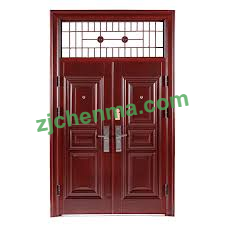
How to Tell If a China Exterior Door Is Solid Wood or Engineered and Why the Difference Matters
A door greets you every time you come home. It takes the weather, the knocks, the daily swing and close. Most homeowners never think about what sits beneath the paint or stain until something goes wrong, a crack appears, a corner swells, or a hinge pulls loose. The China Exterior Door market offers a wide range of construction methods, and understanding which one you own or plan to buy changes how you care for it and how long it serves you. zjchenma builds doors with both approaches, and knowing the signs helps any buyer make a confident choice. So how do you tell what lies under that handsome surface?
The first clue comes from weight. Solid wood carries density that engineered cores rarely match. Lift a door at the hinge side and feel how the mass settles. A solid slab feels substantial, almost stubborn, while a hollow or composite core feels lighter than its size suggests. This test works best when comparing two doors of similar dimensions side by side. A single door in isolation tells you less because hardware, glass inserts, and finish all add weight. Still, the hands learn quickly what real density feels like.
Sound offers another signal. Rap your knuckles across the face of the door at several points. Solid wood returns a low, even thud that fades at the same rate everywhere. An engineered core often sounds different across the surface, hollow in the center and firmer near the edges where the frame sits. A door with a honeycomb or foam core may sound almost drum-like. Move your knuckles in a slow pattern and listen for changes. Consistency of sound points toward solid construction.
Look at the edges. The top and bottom edges of a door reveal what the face hides. Solid wood shows continuous grain running through the full thickness, and the end grain looks dense and tight. Engineered doors often show a cap or a veneer line where the skin meets the core. Run a fingernail along the edge and feel for a seam. Some manufacturers wrap the edges so neatly that the join disappears, so examine the bottom edge where finishing receives less attention. That hidden edge tells honest stories.
Check the hardware mortises if the door is not yet hung. The cutout for a lock or latch exposes the core directly. Solid wood shows grain through the entire depth of the cut. Engineered cores reveal layers, particles, or a different material entirely. If the door already hangs, remove a hinge screw and peer into the hole with a light. The material inside the screw channel speaks plainly. A screw that bites hard and holds suggests dense wood. A screw that spins or crumbles the surrounding material points toward a softer core.
Consider the finish and how it ages. Solid wood moves with humidity, expanding and contracting across seasons. Hairline cracks near panels or rails can appear over years, and that movement is normal. Engineered doors resist seasonal movement because their cores stay dimensionally stable, yet they may delaminate if moisture reaches the skin. Blistering, bubbling, or a hollow sound under the paint often signals separation between layers. Each material has its own aging pattern, and learning to read those patterns helps you judge what you have.
Ask about the warranty and the specification sheet. A manufacturer confident in solid wood states the species and the construction openly. Engineered products list the core material, the skin thickness, and the bonding method. Vague language about "solid construction" without species or core details deserves follow-up questions. Reputable factories answer those questions without hesitation, and the answers clarify what the door truly contains.
Chenma serves homeowners and developers who care about these distinctions. The company produces entrance doors for residential projects and has supplied households across many markets, working with major real estate partners on long-term agreements. That scale reflects consistent quality control across both solid and engineered lines. Buyers who understand construction methods ask sharper questions and receive doors suited to their climate, their security needs, and their maintenance habits. A door chosen with knowledge performs for decades.
For anyone researching options, the factory behind the product matters as much as the material. Chenma publishes details about its China Exterior Door range and welcomes questions about construction, finishes, and performance at https://www.zjchenma.com/product, where buyers can review specifications before making a decision. A few minutes spent reading about core types and edge details saves years of regret. The door at your entrance should match the life you live behind it. Have you checked what yours is really made of?