What Certifications Should A Car LED Tail Lights Factory Have? Baozhiwei Explains
Posted by Carlamp Carlamp
Filed in Other 6 views
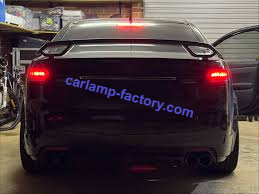
A tail light sits at the back of a vehicle doing work the driver rarely thinks about, yet it carries responsibility that reaches beyond appearance. Brake signals must reach following traffic in daylight and rain, turn indicators must flash at a recognized rate, and every lens must resist water, vibration, and heat across years of road use. Regulators in each market treat lighting as a safety component, which places documentation at the center of any serious supply relationship. Baozhiwei Vehicle Industry Co., Ltd., reachable through carlamp-factory, manufactures these lights and fields certification questions from importers, tuners, and brand owners regularly. Which certifications actually decide whether a Car Led Tail Lights Factory survives a technical review?
Vehicle quality management certification stands as the entry point for this discussion. Automotive supply chains apply stricter system requirements than general consumer goods, and certification under recognized automotive quality frameworks confirms that a factory controls design records, process parameters, supplier oversight, and corrective action. Auditors examine production traceability, incoming inspection logs, and how nonconforming units get isolated. A factory that treats these reviews as routine work demonstrates discipline that buyers rely on when volumes climb and delivery windows tighten.
Market access certification determines whether a product can legally be sold at all. European markets require lighting components to carry approval marks tied to defined photometric, durability, and installation standards. North American markets maintain their own regimes covering brightness, color coordinates, and glare limits. Manufacturers selling across regions must hold documentation matching each destination, because a container stopped at customs for missing conformity papers creates costs that reach far beyond the unit price.
Photometric and electrical testing reports support those approvals. A tail light must produce the required intensity and beam pattern, and a laboratory report confirming those results gives a buyer concrete evidence rather than a claim. Electrical testing covers current draw, voltage tolerance, and behavior under transient conditions in a vehicle network. Since LED assemblies include driver circuits, resistors, and connectors, faults in any of these elements can affect how the light behaves on the road.
Environmental testing carries particular weight for lighting. Water ingress testing confirms that seals and housings keep moisture away from circuit boards. Vibration testing simulates road conditions that loosen connections over time. Thermal cycling tests how materials respond to the repeated heating and cooling that a lamp experiences in service. Salt spray testing matters for coastal markets where corrosion accelerates. Baozhiwei runs a complete high speed production line supporting one stop manufacturing from production to testing, and its tail lamp range can be reviewed at https://www.carlamp-factory.com for buyers comparing specifications and finishes.
Electromagnetic compatibility testing completes the picture, since LED drivers can emit interference that affects other vehicle systems. Reports covering emissions and immunity demonstrate that a lamp will not disrupt radio reception, control modules, or sensor networks. Buyers serving modern vehicles with advanced electronics treat this documentation as a baseline requirement rather than an optional extra.
Paperwork rarely generates enthusiasm, yet it decides whether a shipment clears customs, whether an insurer accepts a claim, and whether a distributor keeps a product line on the shelf after a warranty issue. As a car LED tail lights factory serving importers, tuners, and brand owners, Baozhiwei keeps certification records current and answers technical questions directly, and its engineering team uses CAD, CAE, and CAM tools to develop custom and sequential tail light designs for specific vehicle models. Send your target vehicle list and destination market to carlamp-factory, and the team will confirm which documentation applies to your order. Which document will you request first from your supplier?