How to Maintain a High Speed Cold Heading Machine
Posted by Longhui Longhui
Filed in Other 0 views
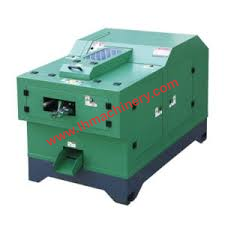
A high speed cold heading machine works through repeated feeding, cutting, upsetting, extrusion, and forming operations, so its condition is closely connected with the stability of daily production. Unlike equipment that performs a simple single-stage movement, cold heading machinery depends on the coordinated operation of feeding mechanisms, dies, punches, transmission components, lubrication systems, and control units. LongHui, represented by lhmachinery, develops multi-station cold heading forming equipment for manufacturers producing screws, bolts, rivets, nuts, sleeves, and other metal components. Since machine wear can develop gradually rather than appearing as an obvious failure, maintenance planning needs to match production intensity, material conditions, tooling requirements, and operating habits, so how often should a High Speed Cold Heading Machine actually be maintained?
There is no single maintenance interval that applies to every cold heading production line. A machine running for long shifts under continuous production naturally experiences different operating conditions from one used intermittently. Wire diameter, material hardness, forming complexity, number of stations, forming speed, tooling design, and lubrication conditions can all influence the rate at which components experience wear. For this reason, maintenance is usually more effective when manufacturers combine scheduled inspections with observations made during normal operation.
Lubrication deserves particular attention because many moving parts work under repeated mechanical loads. Insufficient or unsuitable lubrication can increase friction between moving components and contribute to unnecessary heat or wear. Technicians can check lubrication points according to the equipment instructions while also observing whether oil flow, pressure, temperature, or other operating indicators remain within the expected range. The condition of lubricants should also be considered because contamination or deterioration may affect the protection provided to mechanical components.
Tooling inspection is another practical part of routine care. Punches, dies, cutters, and other forming tools are exposed to repeated impact and pressure, especially when production involves harder materials or complex shapes. Small changes in tool condition may appear through dimensional variation, surface marks, burrs, cracks, or changes in forming behavior. Checking tooling before a problem spreads across a production batch allows operators to identify wear at an earlier stage. Proper cleaning and correct tool installation are equally important because foreign material or inaccurate positioning can influence forming consistency.
The feeding system also deserves regular observation. Cold heading production depends on accurate material delivery, and irregular feeding can affect the position of the workpiece before forming begins. Operators can monitor wire straightness, feeding movement, gripping components, guide elements, and cutting action during routine checks. If unusual vibration, noise, slipping, or inconsistent material positioning appears, the cause should be investigated rather than allowing the machine to continue under changing conditions.
Mechanical transmission components require attention as well. Bearings, gears, shafts, connecting mechanisms, and other moving elements experience repeated movement throughout production. A change in sound or vibration can sometimes indicate developing wear before a component reaches a serious failure stage. Scheduled inspections can therefore include checking fasteners, moving connections, lubrication conditions, abnormal sounds, and visible signs of damage. Keeping inspection records can also help technicians recognize gradual changes instead of relying entirely on memory.
Electrical and control systems should form part of the maintenance routine rather than being checked only after an operational fault. Sensors, wiring, control cabinets, switches, motors, and protection devices all contribute to coordinated machine movement. Dust, loose connections, damaged cables, or abnormal sensor signals can affect equipment behavior. Routine cleaning and inspection should be carried out according to appropriate safety procedures, while electrical work should be handled by qualified personnel when specialized knowledge is required.
Maintenance frequency can also be adjusted according to actual production data. A factory operating several shifts every day may need shorter inspection intervals for certain wear components, while a machine with lighter usage may follow a different schedule. Tool changes, material changes, unusual stoppages, extended production runs, and changes in finished-part quality can all serve as useful signals for reviewing the maintenance plan. Rather than treating maintenance as a fixed calendar task, production teams can connect it with machine workload and operating conditions.
Preventive maintenance also benefits production planning. When technicians know which components require periodic inspection, they can prepare replacement parts and arrange downtime around planned production activities. This approach can reduce unexpected interruptions and make routine servicing easier to organize. Maintenance records can include inspection dates, replaced components, tooling changes, lubrication work, observed abnormalities, and corrective actions. Over time, these records provide useful information for understanding how the machine behaves under specific production conditions.
The working environment should not be overlooked. Metal particles, forming lubricant residue, dust, temperature changes, and general workshop conditions may influence equipment cleanliness and component life. Keeping the surrounding area organized makes it easier to identify leaks, loose parts, unusual residue, or other visible changes. A clean working environment also helps technicians carry out inspections without unnecessary interference from accumulated debris.
Operator experience plays an important role in identifying early signs of change. People who work with the machine regularly can often notice differences in sound, feeding behavior, vibration, forming quality, or machine response. These observations should be recorded and communicated rather than dismissed as normal variation. When operator feedback is combined with scheduled technical inspections, maintenance decisions can be based on both direct production experience and equipment requirements.
LongHui provides multi-station cold heading forming machines designed around different forming applications and production requirements. Manufacturers evaluating lhmachinery equipment can review the machine configuration at https://www.lhmachinery.com while discussing material characteristics, component dimensions, forming stages, tooling arrangements, production conditions, and maintenance expectations with the company team. This kind of technical communication allows the selected equipment configuration to reflect the actual manufacturing process, while maintenance planning can be considered alongside machine structure and intended operating conditions.