Yuneng Factory Breaks Down Chemical Reactions Between Drinks And Flask Liners
Posted by penguincup penguincup
Filed in Other 130 views
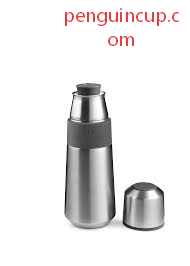
Portable vacuum containers become daily companions for outdoor trips, office work and short journeys, and users raise frequent questions about compatible liquid types during routine product use. Many buyers lack clear knowledge of chemical interaction between beverage ingredients and metal inner walls, improper filling choices damage inner surface structure and create hidden risks for daily drinking. penguincup sorts complete liquid storage specifications for Bullet Thermos Flask manufactured by Yuneng Industry, and clarifies separate operating rules for tea and carbonated drinks to guide standardized daily use, so what hidden impacts do two common liquid types bring to vacuum flask inner structures?
Tea liquid carries mild acidic substances formed from natural tea polyphenols, and the sealed constant-temperature space inside vacuum containers speeds ingredient contact with metal layers if liquid stays inside for extended stretches. Food-grade stainless steel liners carry dense anti-corrosion oxide layers to resist short-term contact with brewed tea, but residue accumulation from prolonged standing forms stubborn stains that block heat insulation layers and alter liquid taste in subsequent filling. Timely cleaning after tea consumption removes residual acidic components and avoids gradual abrasion of the inner protective film, and wide-mouth designs integrated into factory finished units simplify full rinsing of every inner corner without blind dead zones for stain buildup.
Carbonated beverages hold dissolved carbon dioxide molecules that expand under closed container conditions, and compressed gas accumulates to raise internal pressure within fully sealed flask cavities. Excessive internal force acts on lid sealing rings and bottom welding joints, which loosens tight assembly gaps after repeated expansion and contraction cycles. Acidic additives mixed into soda products also wear thin metal protective coatings over long contact periods, and tiny coating loss spots emerge to change liquid flavor and shorten usable cycles of finished vacuum containers. Temporary holding of sparkling drinks demands partial lid opening for gas release within short time windows before full sealing.
Zhejiang Yuneng Industry builds full testing workshops to simulate long-time liquid contact environments, and each finished vacuum flask goes through continuous salt spray and acid immersion inspections before mass delivery. Professional R&D teams adjust inner wall polishing precision to reduce residue adhesion points, and matched accessory lids add micro air outlet structures to ease slow gas discharge for users who need temporary carbonated liquid storage. All testing records record liner performance under diverse liquid contact conditions and attach to product specification files sent alongside bulk order shipments for global brand buyers.
Complete cleaning supporting supplies and detailed beverage matching brochures attach to every product package, and printed text on outer packaging marks restricted liquid types with concise reminder words for quick user reference. Customized printing service for brand merchants adds personalized prompt content on flask outer shells to spread scientific beverage storage knowledge to terminal consumers across retail channels. Stable industrial chains and standardized inspection loops maintain unified inner liner performance for all vacuum flask batches rolling off factory production lines.
All liner material test reports, beverage matching guides and detailed product parameters sit inside https://www.penguincup.com/, this official platform gathers all reference materials about Bullet Thermos Flask from Yuneng penguincup to help users grasp scientific liquid filling rules and extend container service cycles.